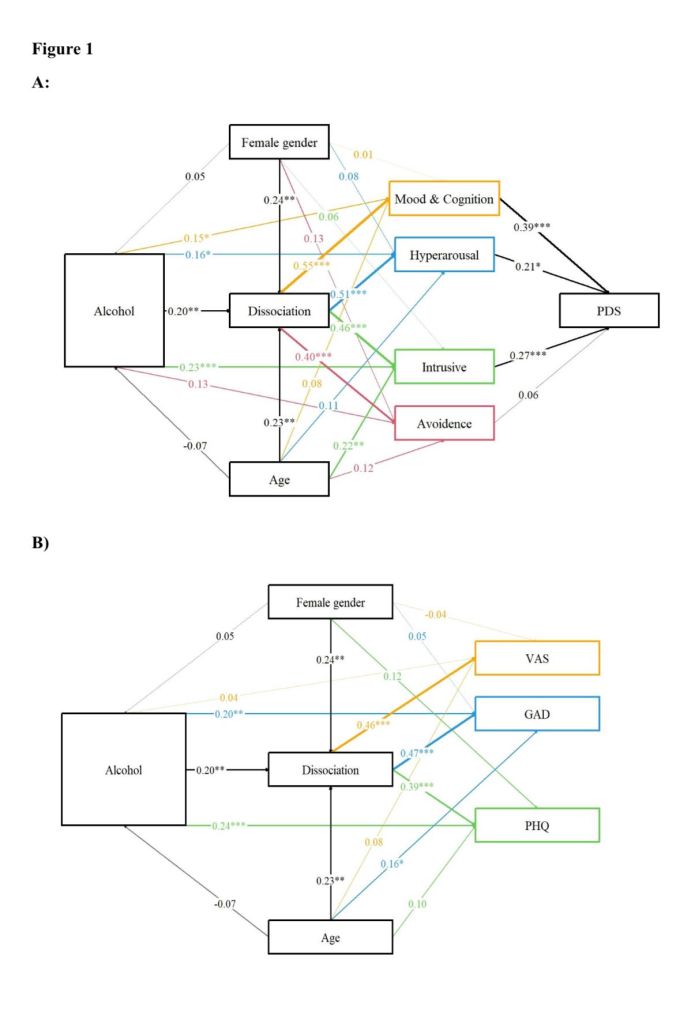
Nacasch, N., Malka, T., Zohar, J., Dejorno, Y. V., Levi, G., Gross, R., Weiser, M., & Cohen, H. (2024).Impact of pre-trauma recreational drug use on mental health outcomes among survivors of the Israeli Nova Festival terrorist attack. World Psychiatry, 23(3), 452-454.https://doi.org/10.1002/wps.21254
Cohen, H., Ephraim‐Oluwanuga, O. T., Akintunde, O. T., Gureje, O., Matar, M. A., Todder, D., & Zohar, J. (2023). The potential beneficial effect of sleep deprivation following traumatic events to preventing PTSD: Review of current insight regarding sleep, memory, and trauma resonating with ancient rituals—Àìsùn Oku (African) and Tsuya (Japanese). Neuropsychopharmacology Reports, 43(1), 2-11.
Carmi, L., Zohar, J., Weissman, T., Juven-Wetzler, A., Bierer, L., Yehuda, R., & Cohen, H. (2023). Hydrocortisone in the emergency department: a prospective, double-blind, randomized, controlled posttraumatic stress disorder study. Hydrocortisone during golden hours. CNS spectrums, 28(4), 457-463.
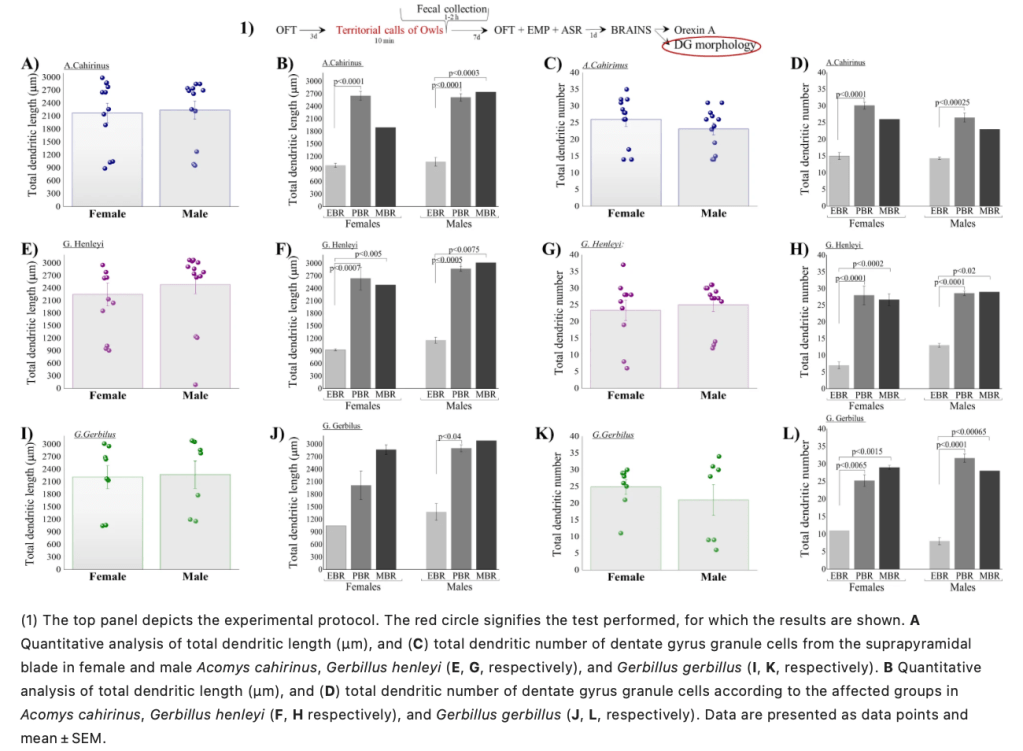
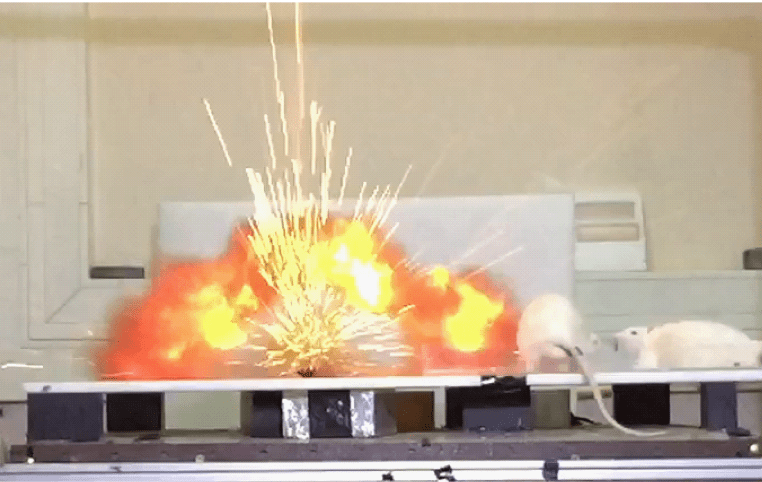
Cohen, H., Matar, M.A., Todder, D. et al. Sounds of danger and post-traumatic stress responses in wild rodents: ecological validity of a translational model of post-traumatic stress disorder. Mol Psychiatry (2023). https://doi.org/10.1038/s41380-023-02240-7
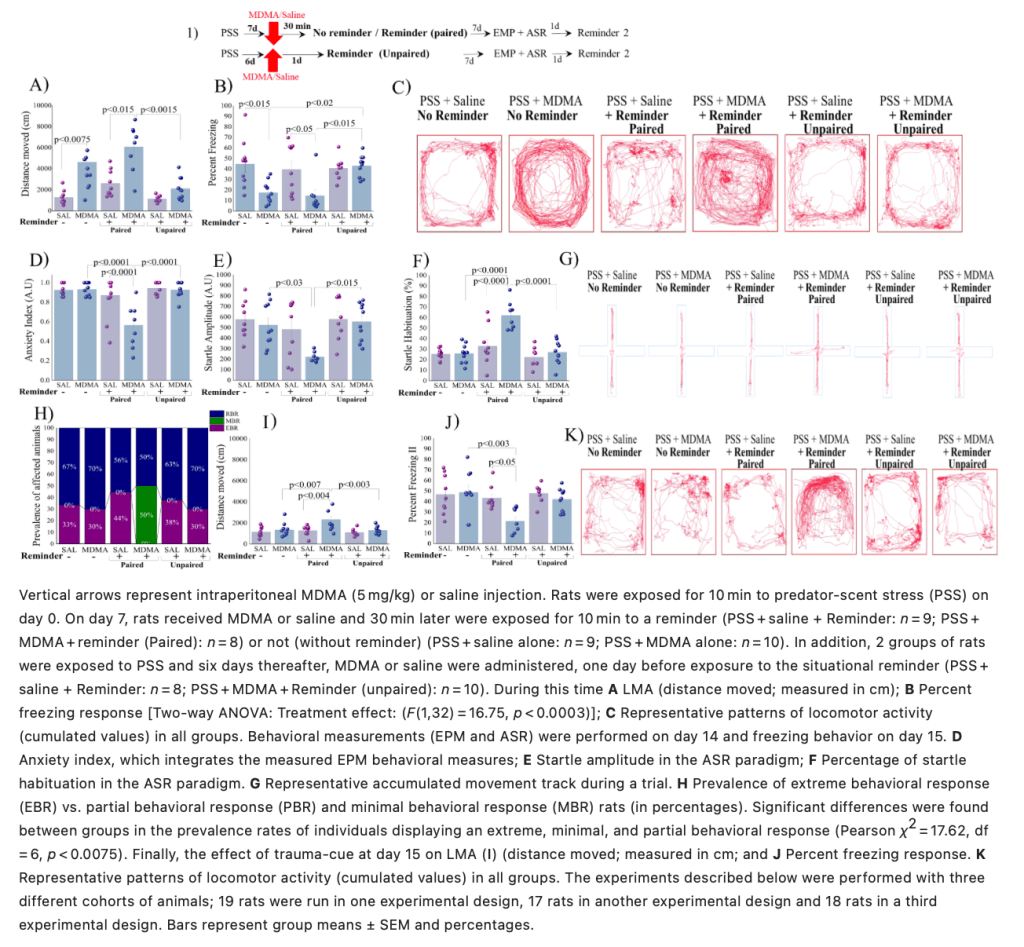
Arluk, S., Matar, M.A., Carmi, L. et al. MDMA treatment paired with a trauma-cue promotes adaptive stress responses in a translational model of PTSD in rats. Transl Psychiatry12, 181 (2022). https://doi.org/10.1038/s41398-022-01952-8
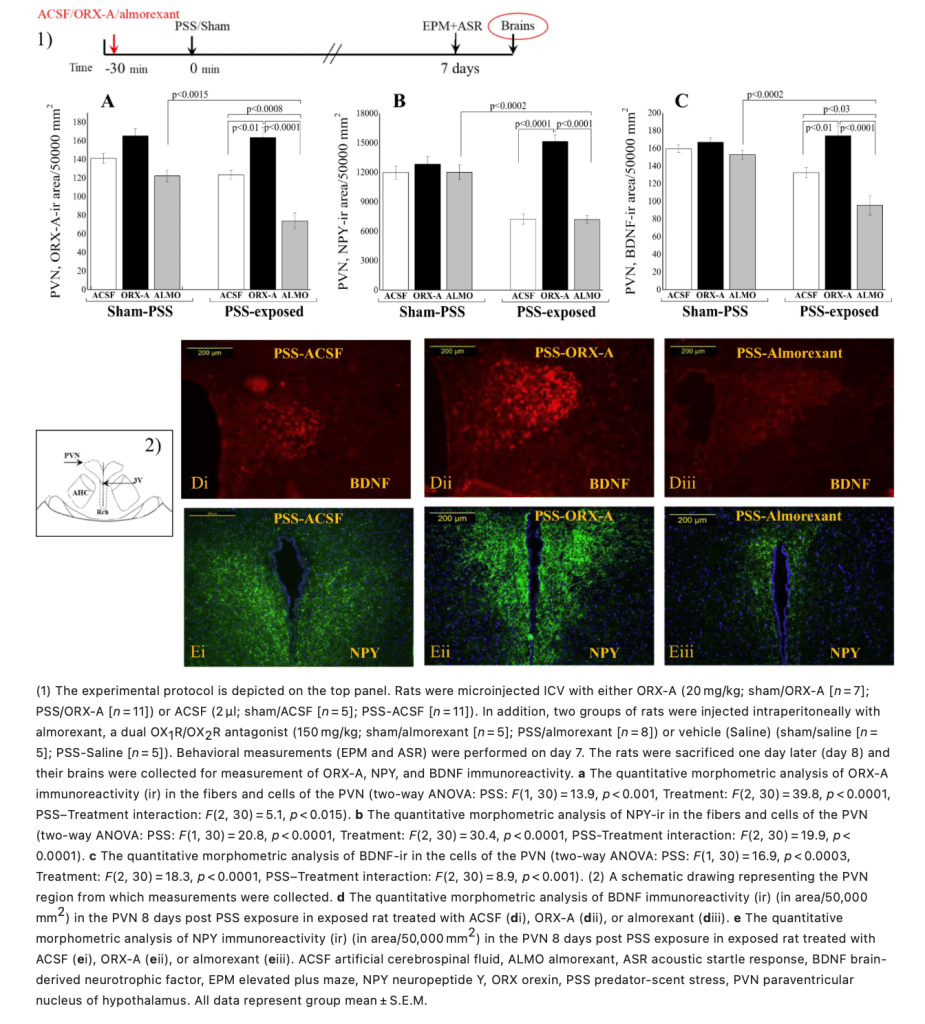
Cohen, S., Matar, M.A., Vainer, E. et al. Significance of the orexinergic system in modulating stress-related responses in an animal model of post-traumatic stress disorder. Transl Psychiatry10, 10 (2020). https://doi.org/10.1038/s41398-020-0698-9
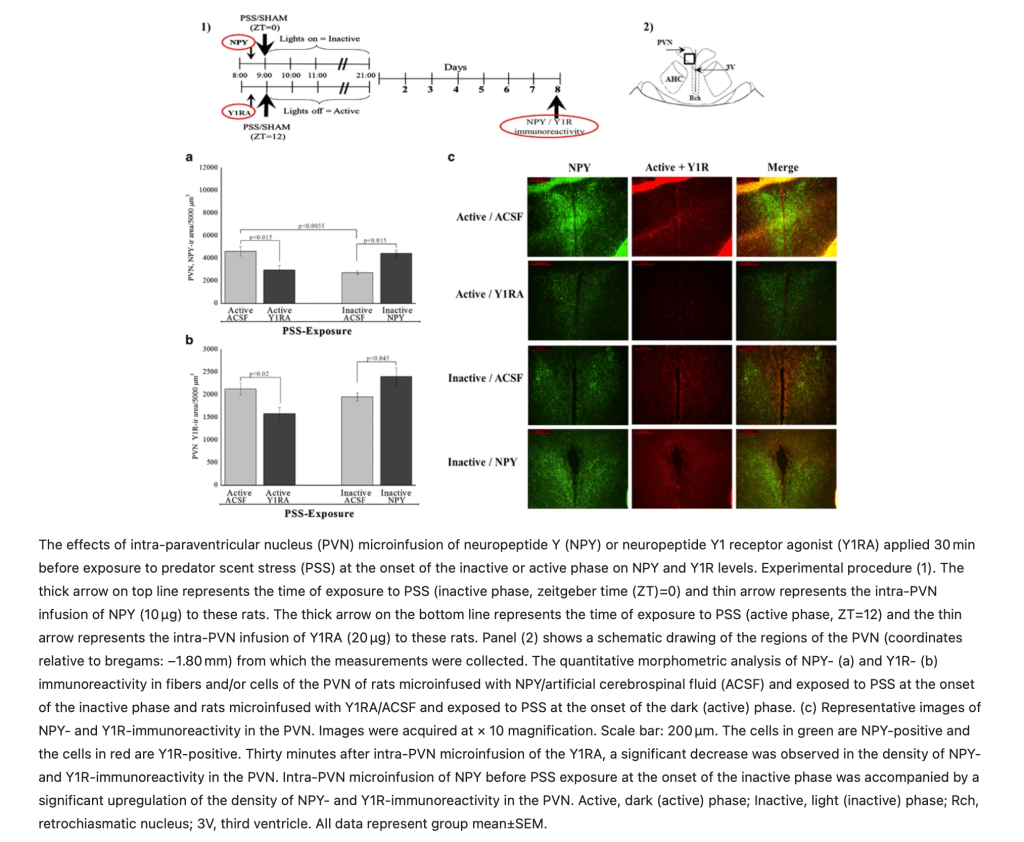
Cohen, S., Vainer, E., Matar, M. et al. Diurnal Fluctuations in HPA and Neuropeptide Y-ergic Systems Underlie Differences in Vulnerability to Traumatic Stress Responses at Different Zeitgeber Times. Neuropsychopharmacol 40, 774–790 (2015). https://doi.org/10.1038/npp.2014.257
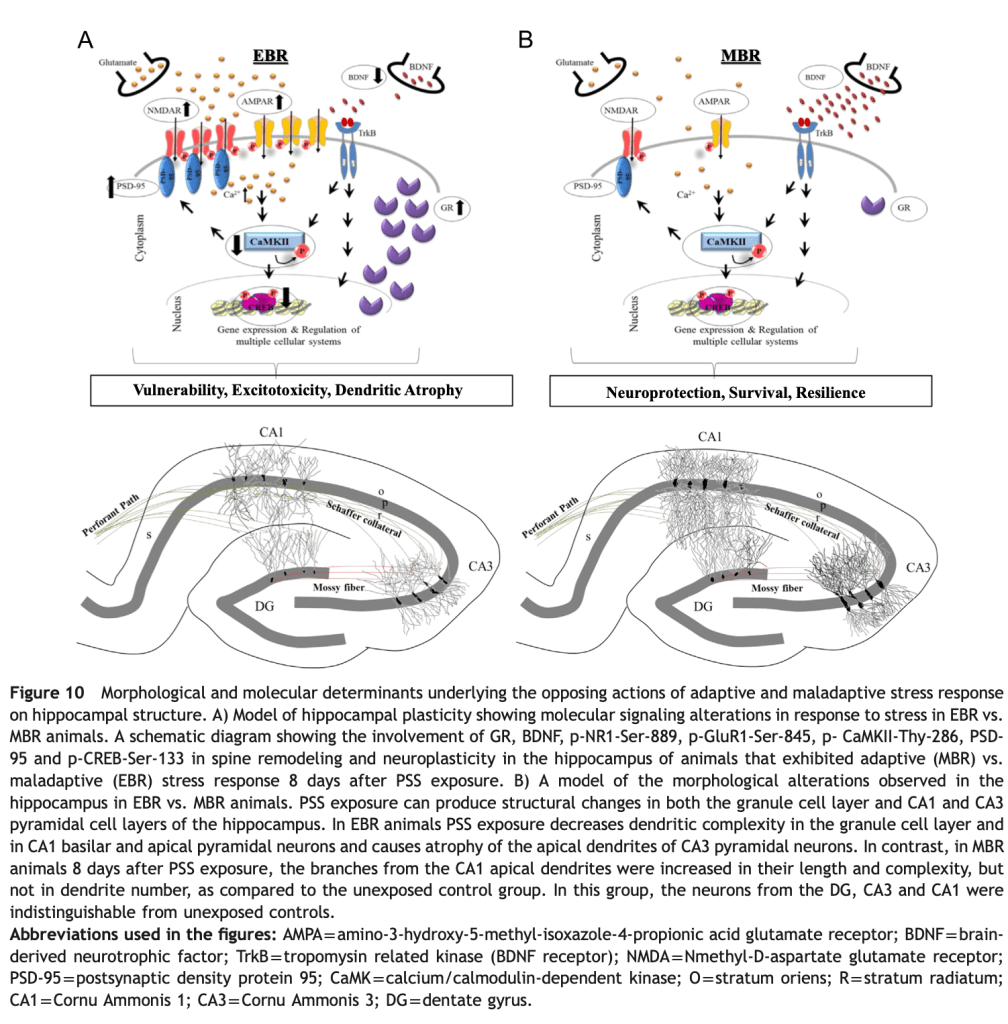
Cohen, H., Kozlovsky, N., Matar, M. A., Zohar, J., & Kaplan, Z. (2014). Distinctive hippocampal and amygdalar cytoarchitectural changes underlie specific patterns of behavioral disruption following stress exposure in an animal model of PTSD. European Neuropsychopharmacology, 24(12), 1925-1944.
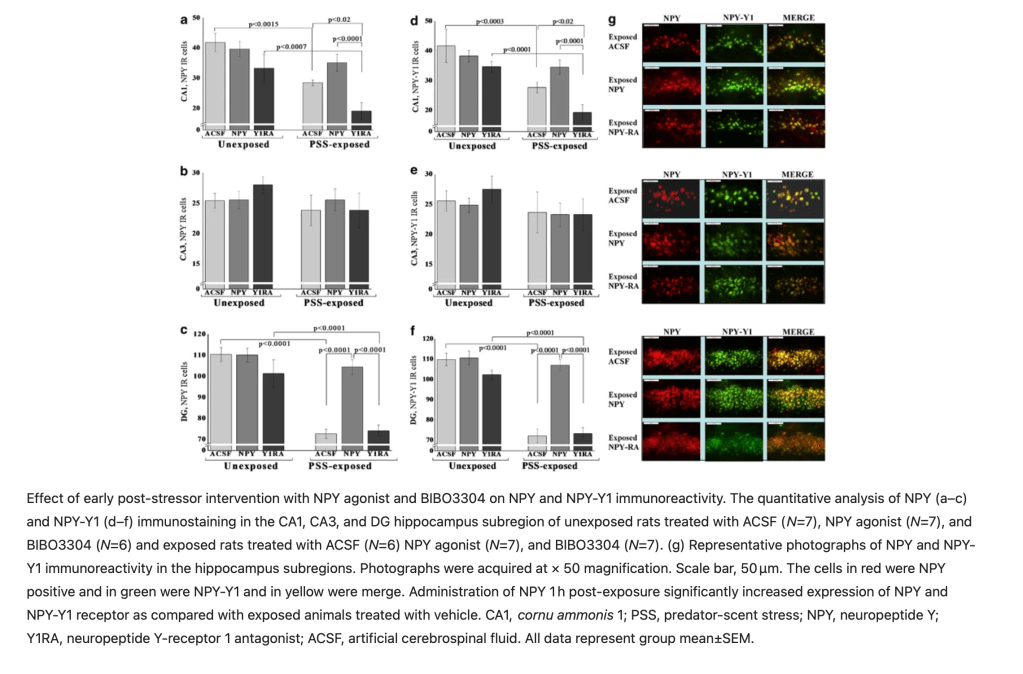
Cohen, H., Liu, T., Kozlovsky, N. et al. The Neuropeptide Y (NPY)-ergic System is Associated with Behavioral Resilience to Stress Exposure in an Animal Model of Post-Traumatic Stress Disorder.Neuropsychopharmacol37, 350–363 (2012). https://doi.org/10.1038/npp.2011.230
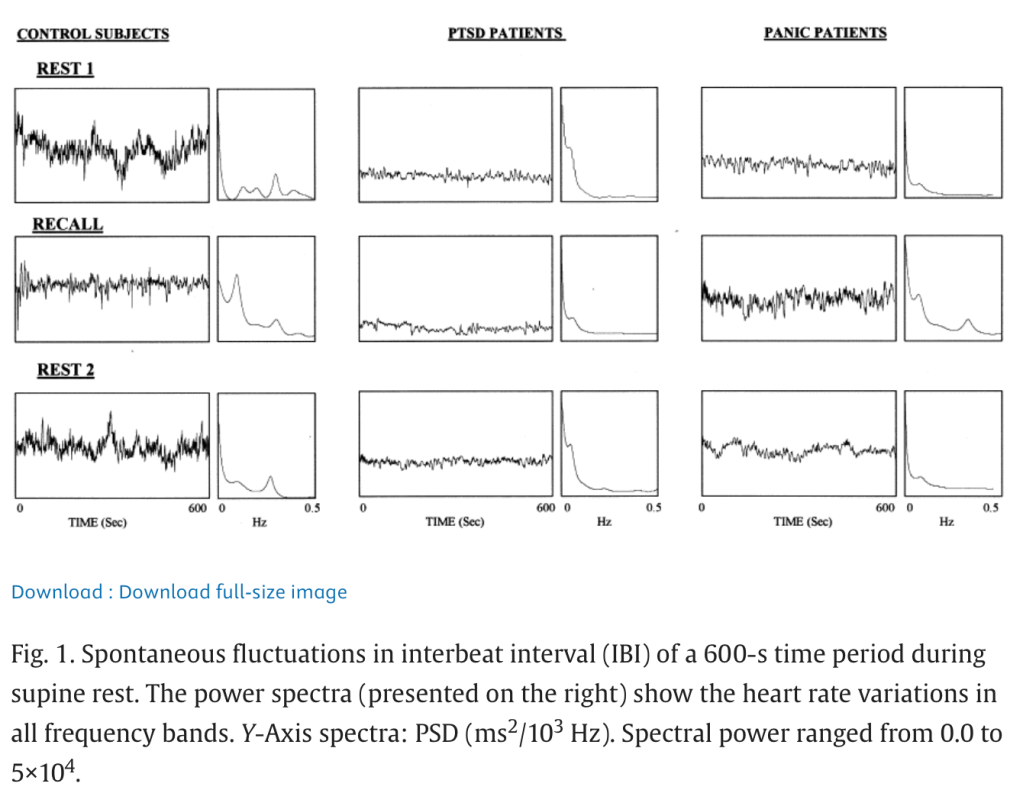
Cohen, H., Benjamin, J., Geva, A. B., Matar, M. A., Kaplan, Z., & Kotler, M. (2000). Autonomic dysregulation in panic disorder and in post-traumatic stress disorder: application of power spectrum analysis of heart rate variability at rest and in response to recollection of trauma or panic attacks. Psychiatry research, 96(1), 1-13.
Hagit Cohen,Ph.D
Jack Dreyfus Chair in Psychiatry, Professor of Psychiatric Neuroscience. Head of Anxiety and Stress Research Unit, Faculty of Health Sciences,Ben-Gurion University.
Ministry of Health, Beer-Sheba Mental Health Center, P.O. Box 4600, Beer-Sheva 84170, Israel Tel: +972-8-6401742 | Fax: +972-8 6401743



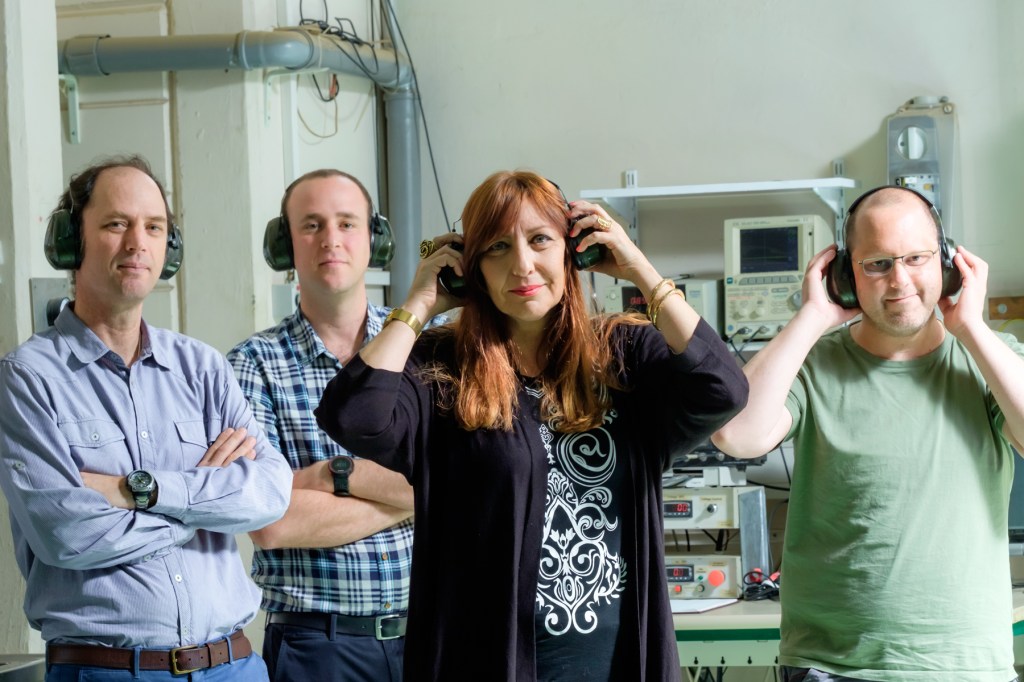

 Hagit Cohen laboratory