
Animal models
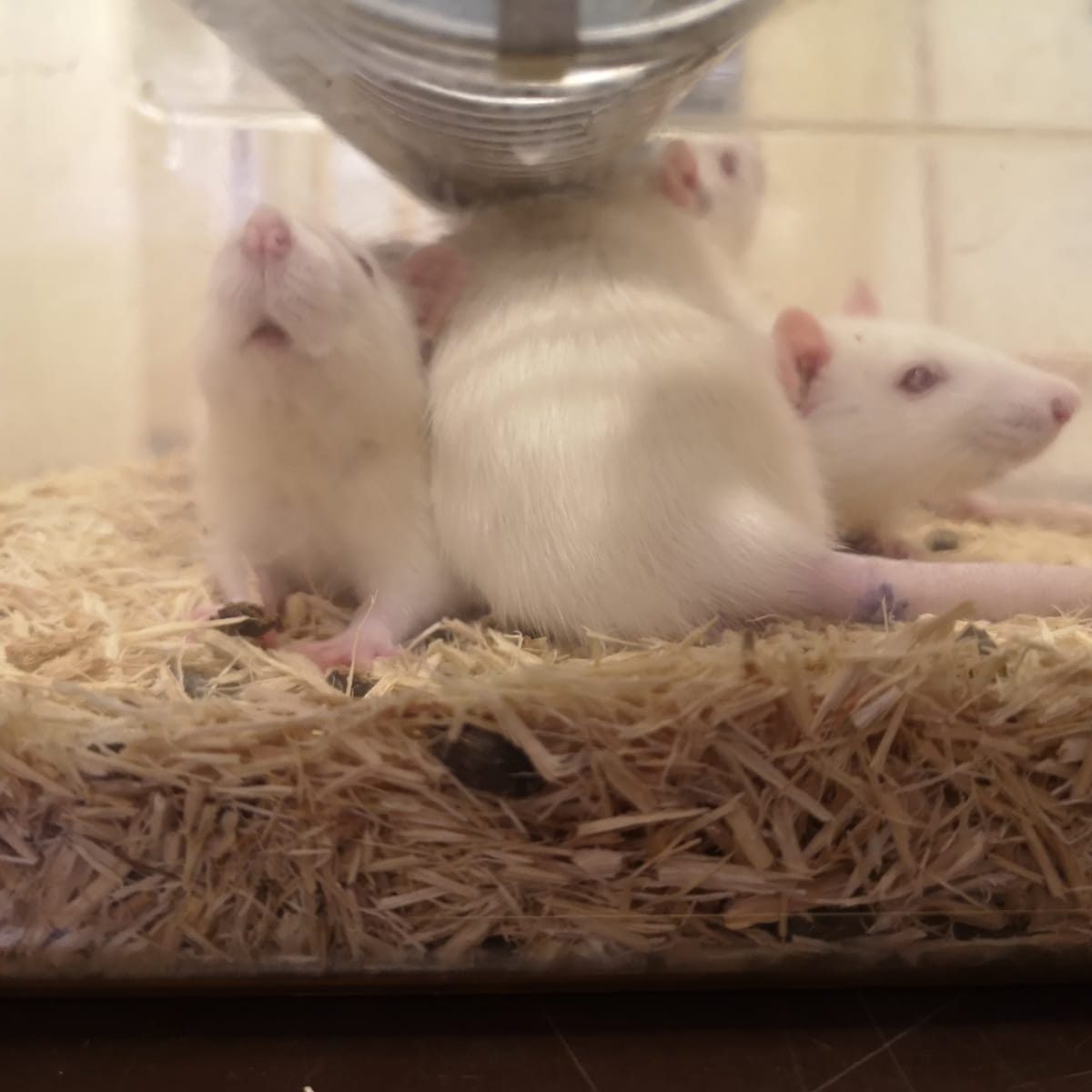
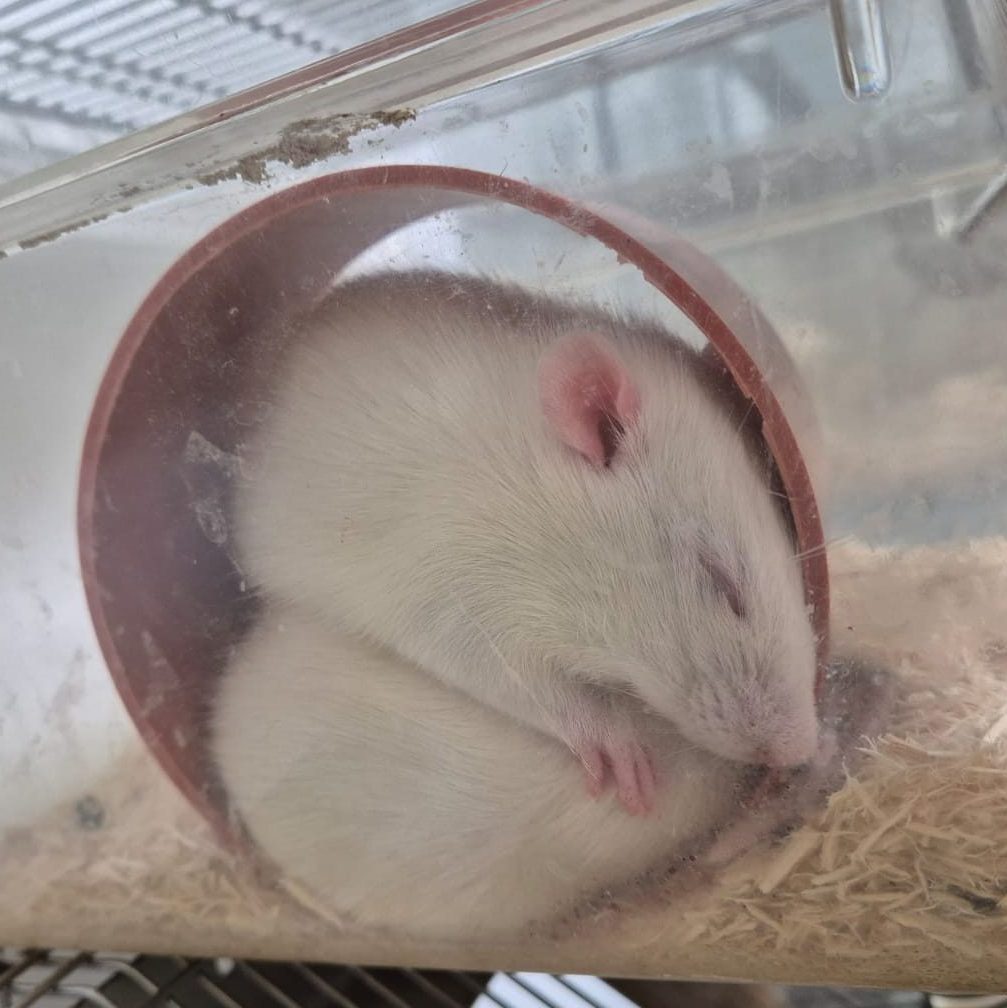
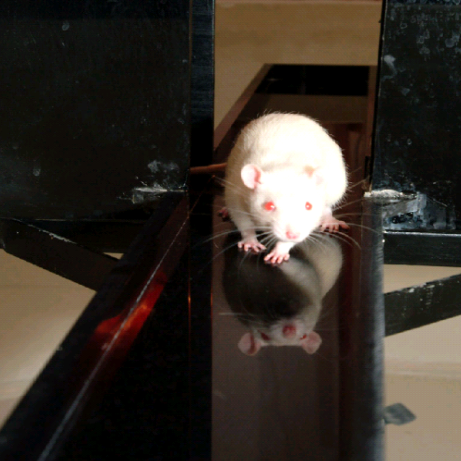
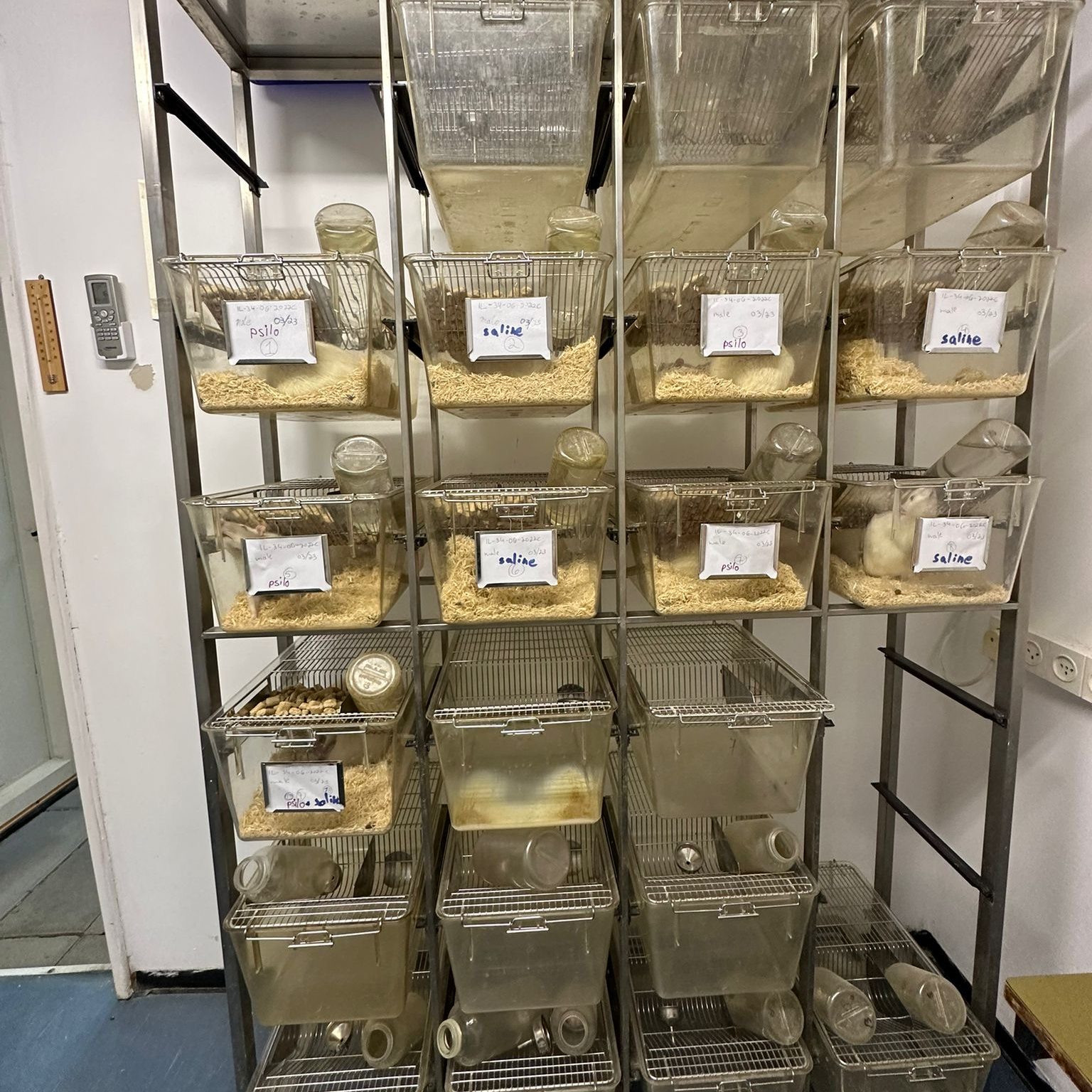
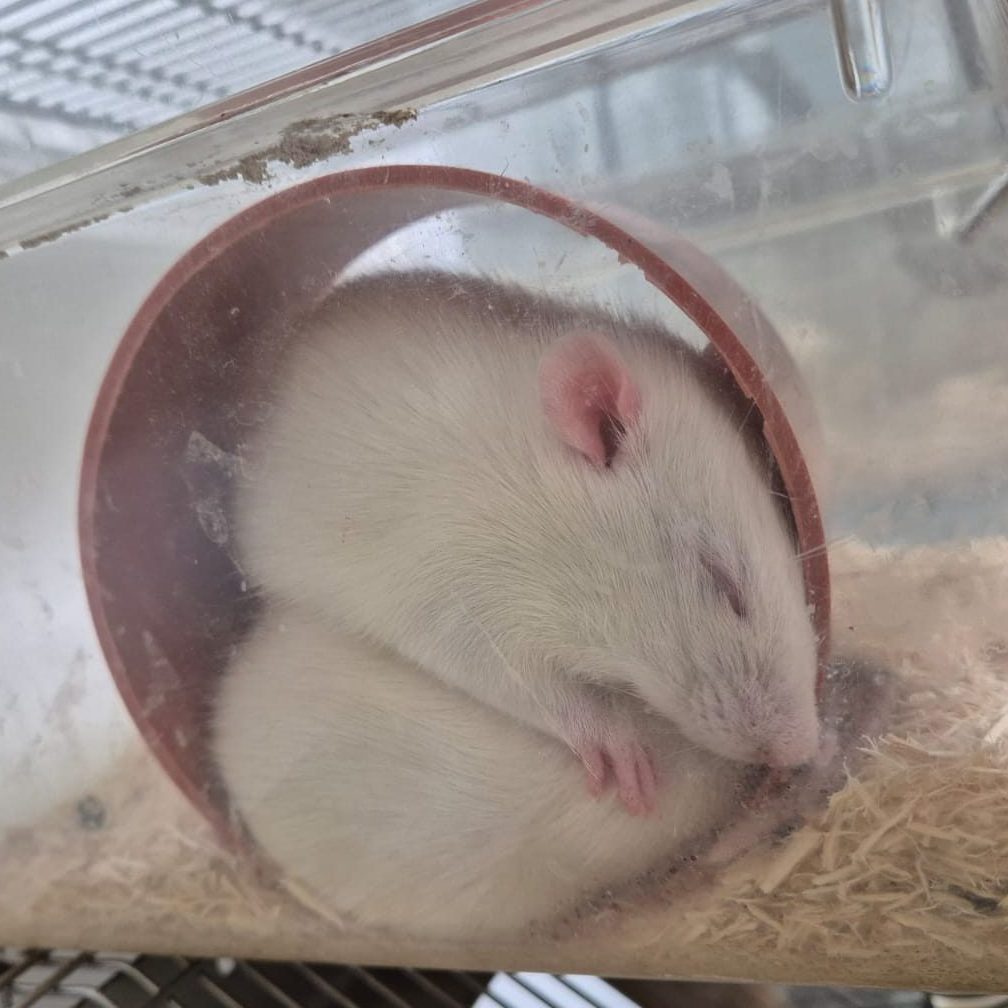
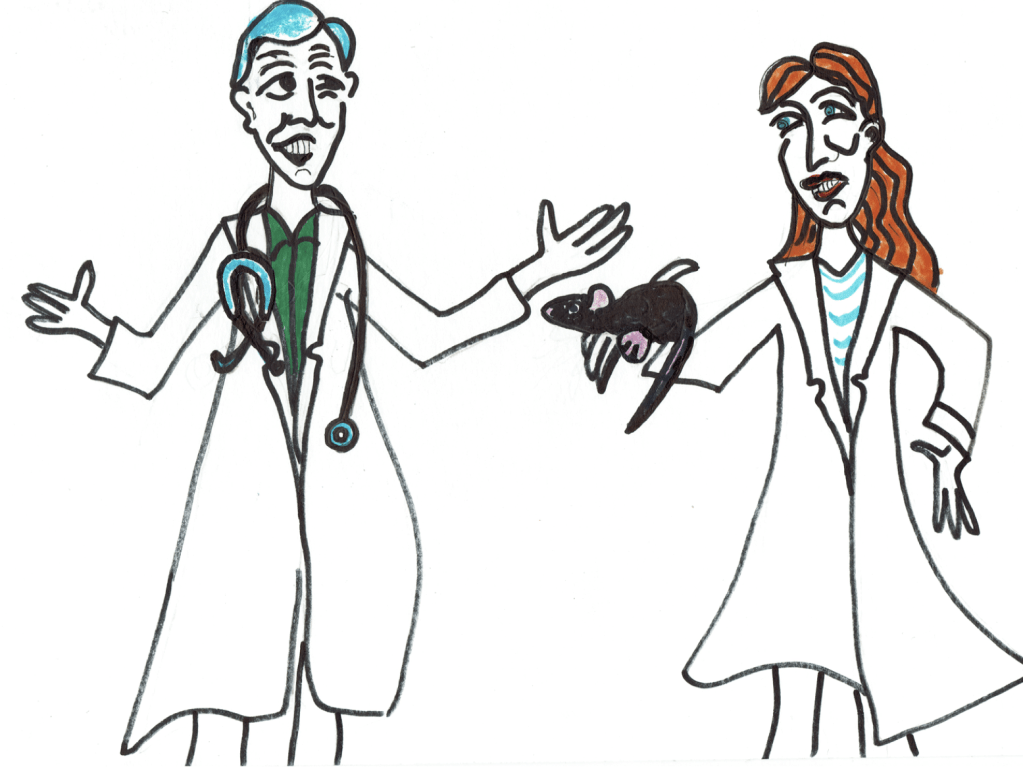
Animal models of psychiatric disorders provide a valuable research approach that complements clinical studies, ultimately aiding in the design and development of therapeutic interventions. No animal model exists that can perfectly replicate the human condition, particularly in the field of psychiatry. Therefore, researchers prefer the model that exhibits the most similarity, and ongoing efforts are being made to develop a model that closely resembles humans to the maximum extent possible.
How is an animal model developed for a human disease?
What are the essential criteria to consider?
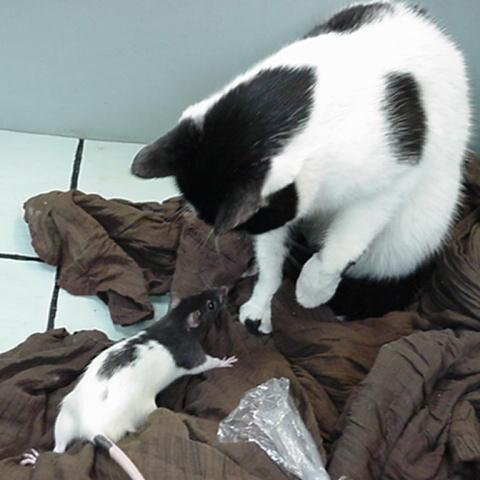
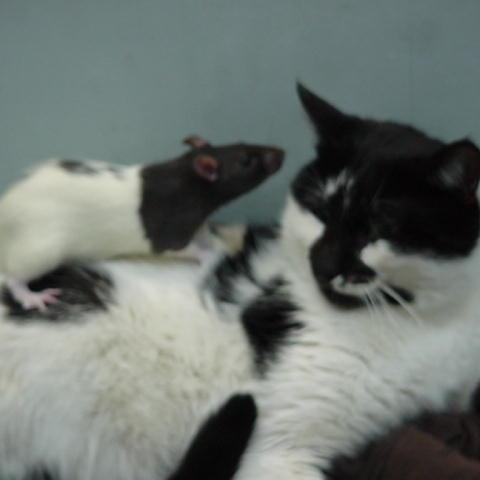
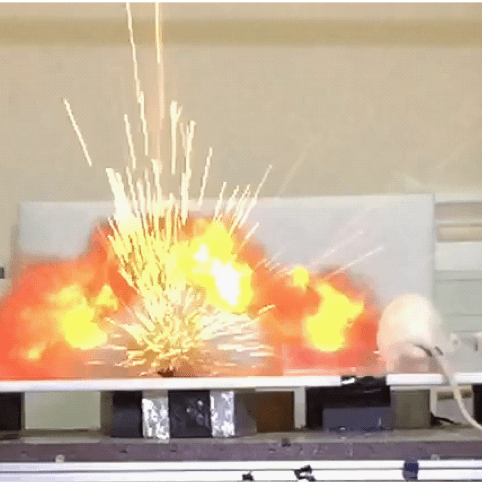
Developing an animal model for posttraumatic stress disorder (PTSD) presents significant challenges. Human diagnosis heavily relies on subjective reports of thoughts, dreams, and images, which are not directly applicable to rats. Moreover, certain hallmark symptoms of PTSD in humans, such as intrusive memories of traumatic events, may not manifest in animal behavioral models. Additionally, human experiences of perceiving life-threatening situations, a crucial aspect of trauma, may not be replicable in rats. The ability of rats to assess the life-threatening potential of a situation remains unclear, as does determining the most effective stressors for inducing PTSD-like responses in them. Furthermore, the lack of definitive pharmacological treatments for PTSD complicates the evaluation of potential rodent models for pharmacological predictability. However, utilizing animals in PTSD research offers several advantages.

Neuro-Psycho-Pharmacology
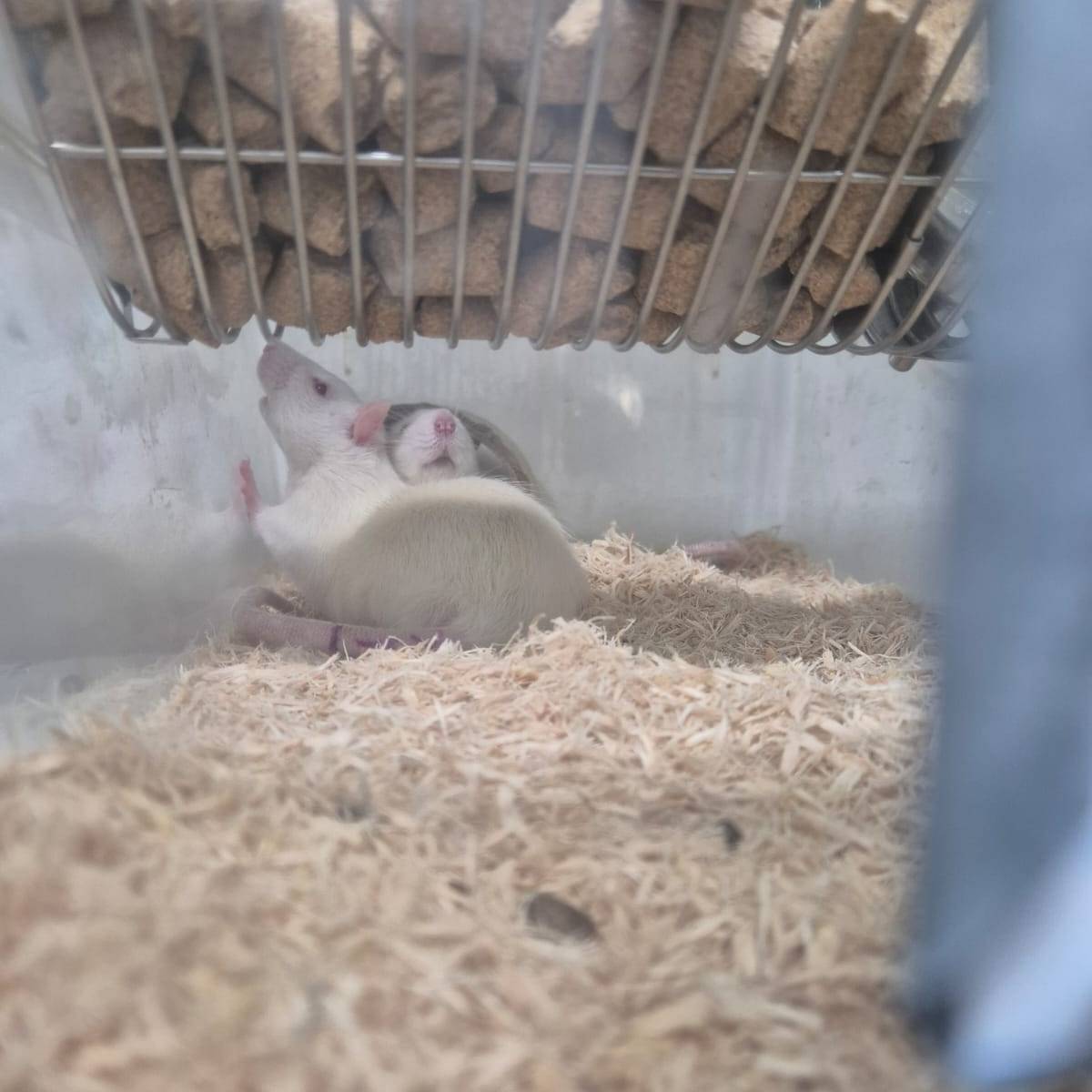
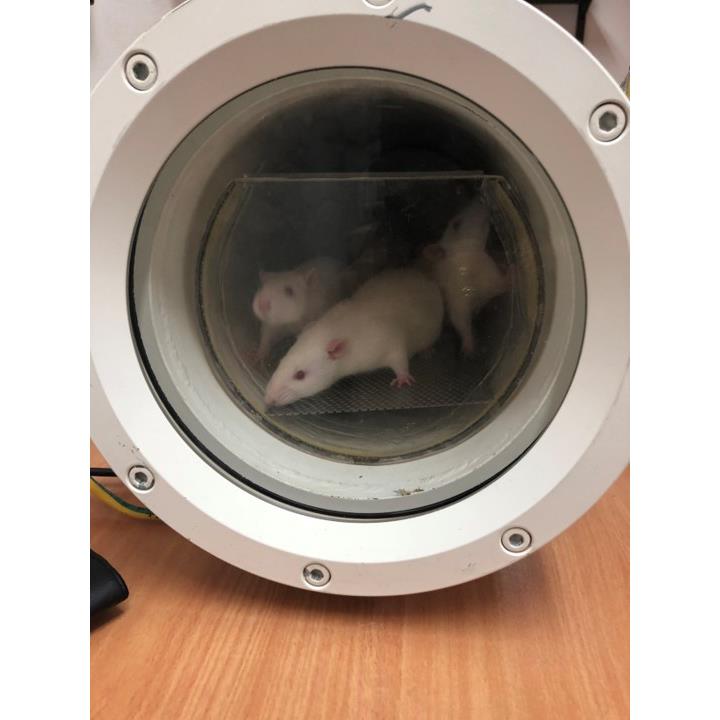
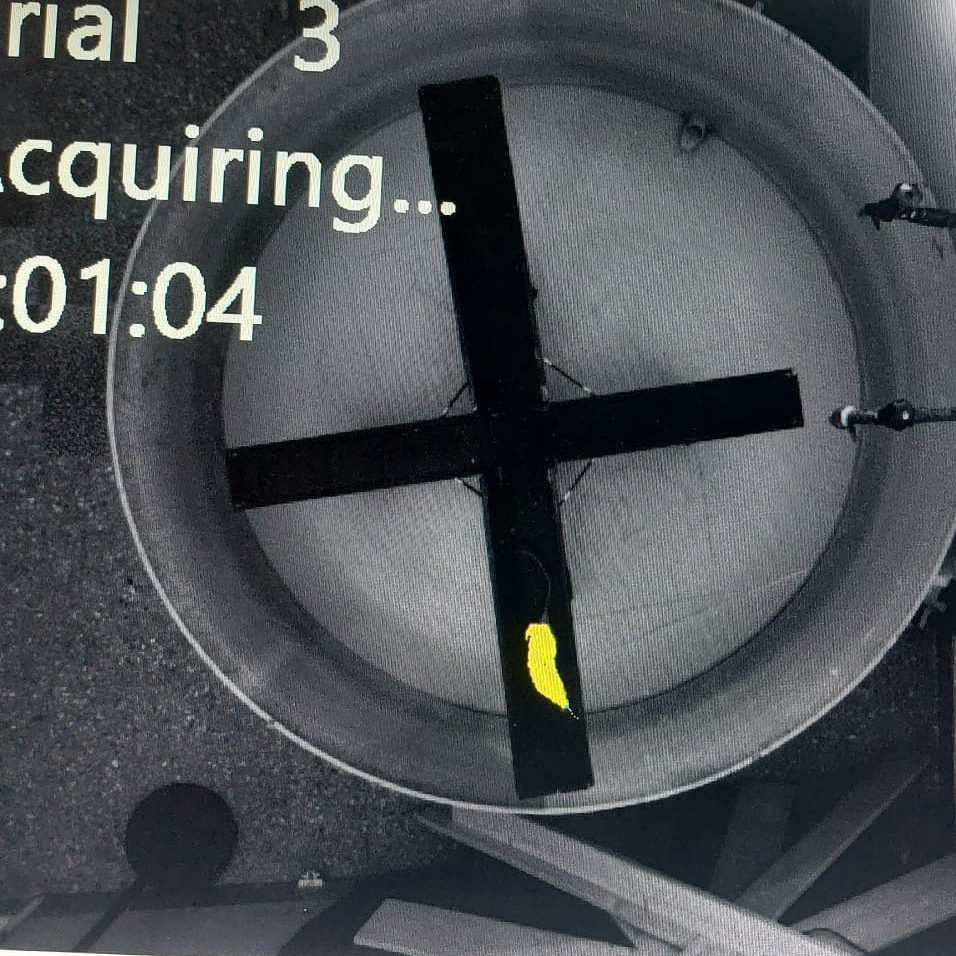
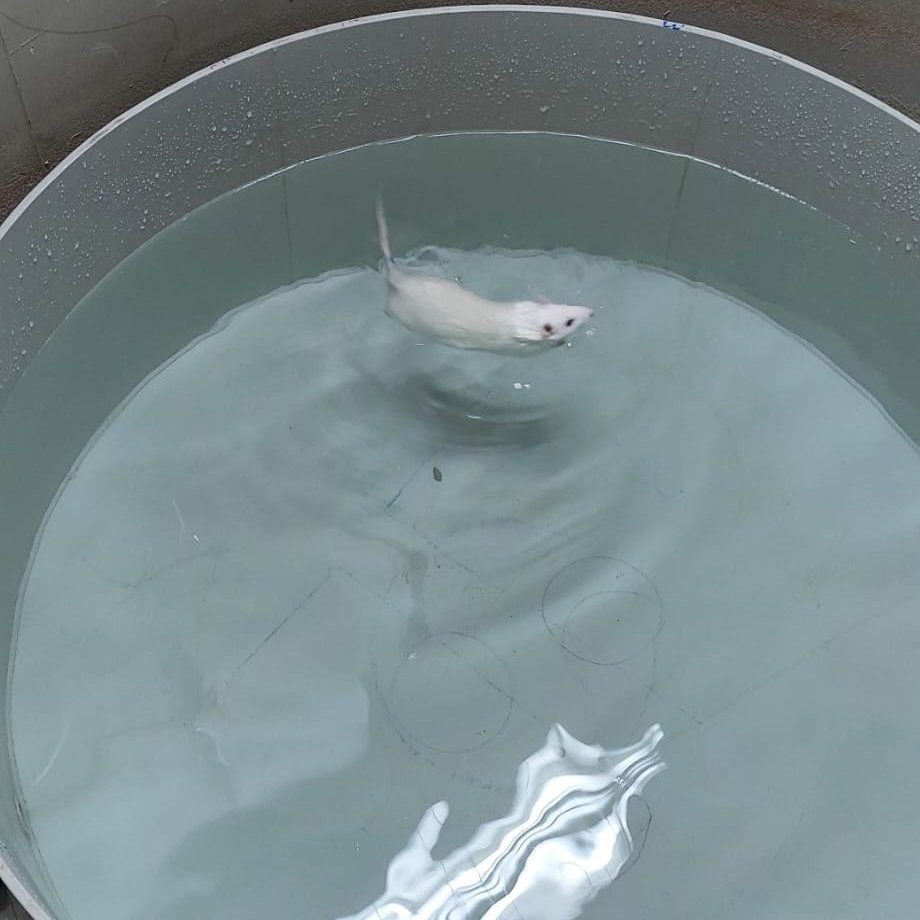
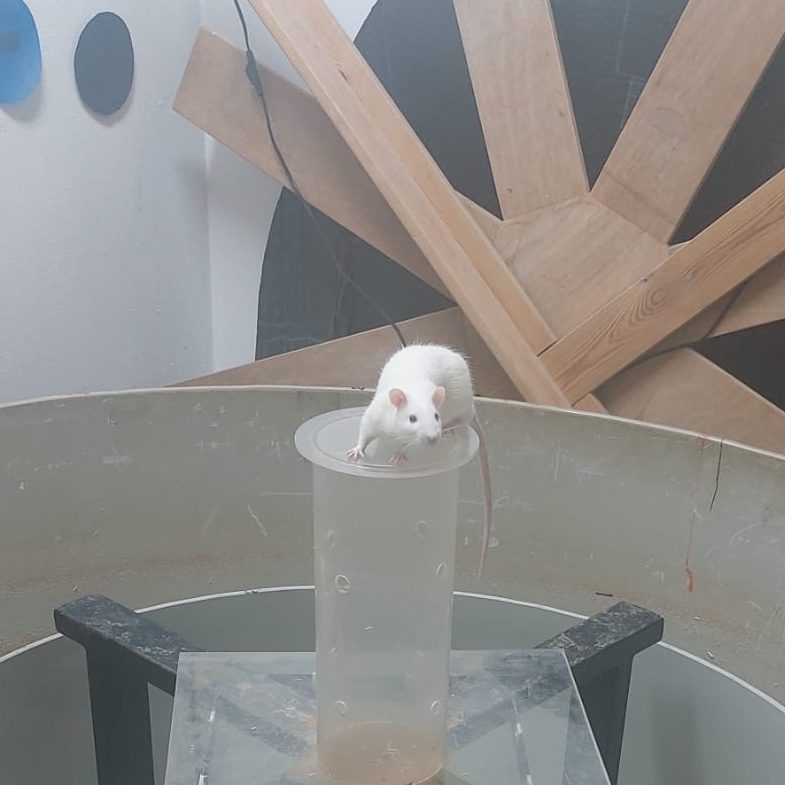
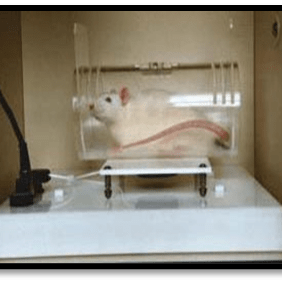
Behavioral paradigms


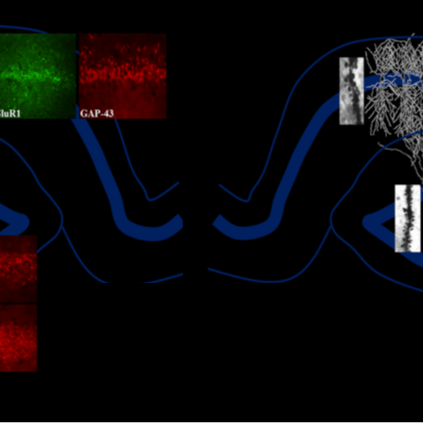
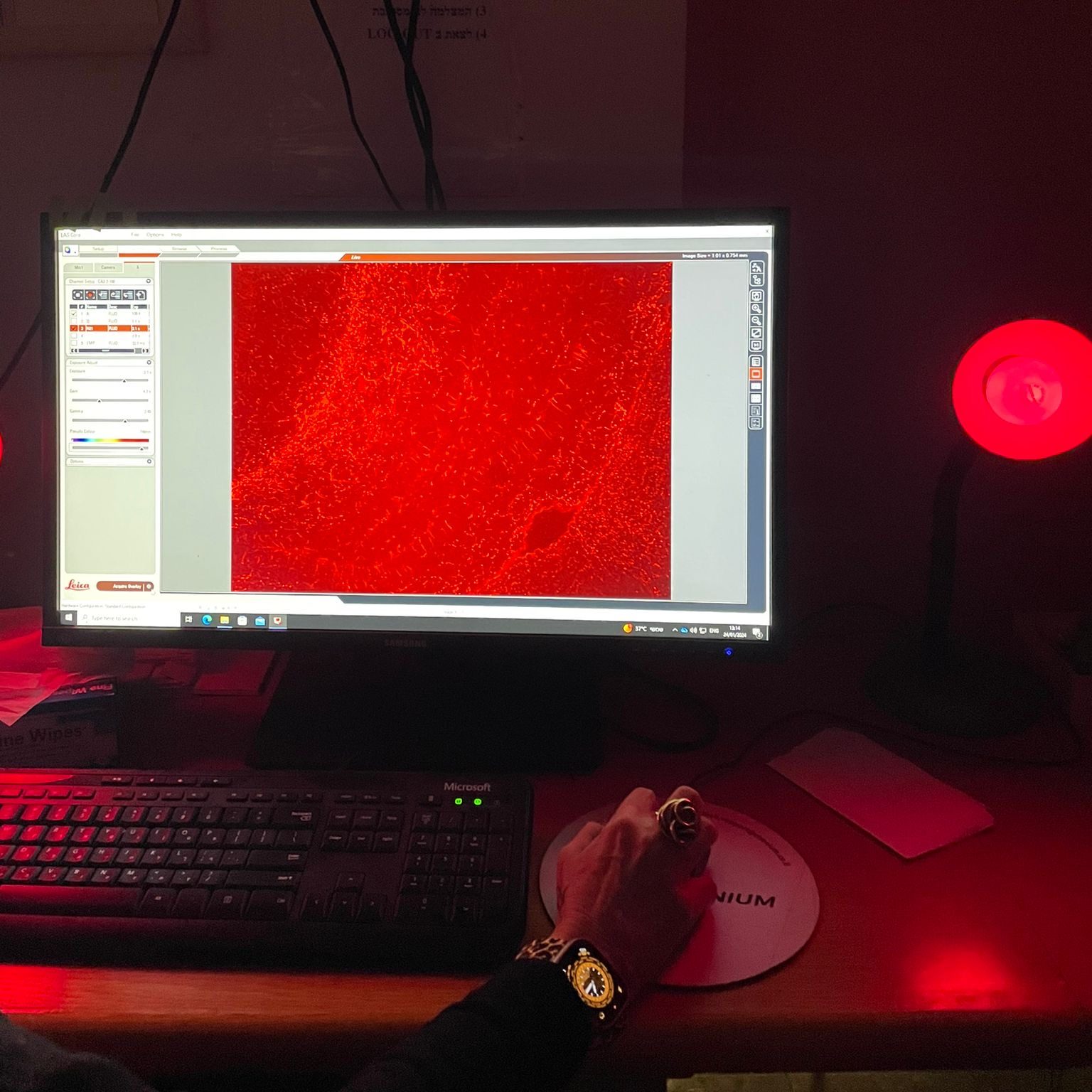
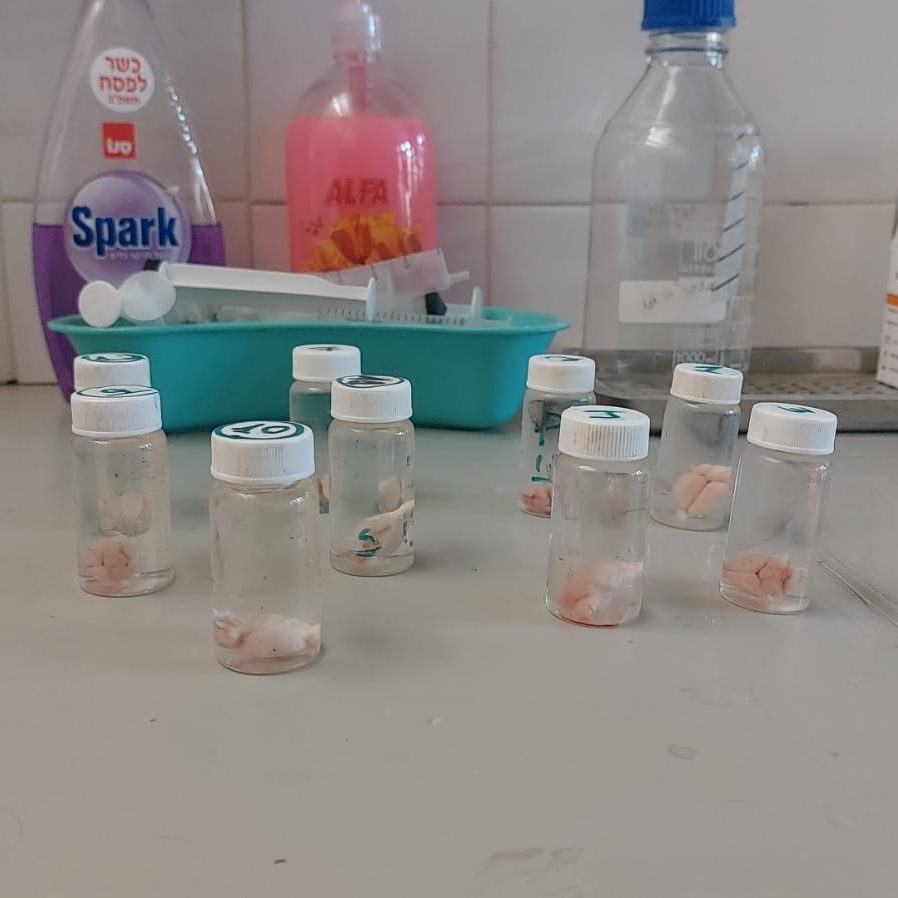
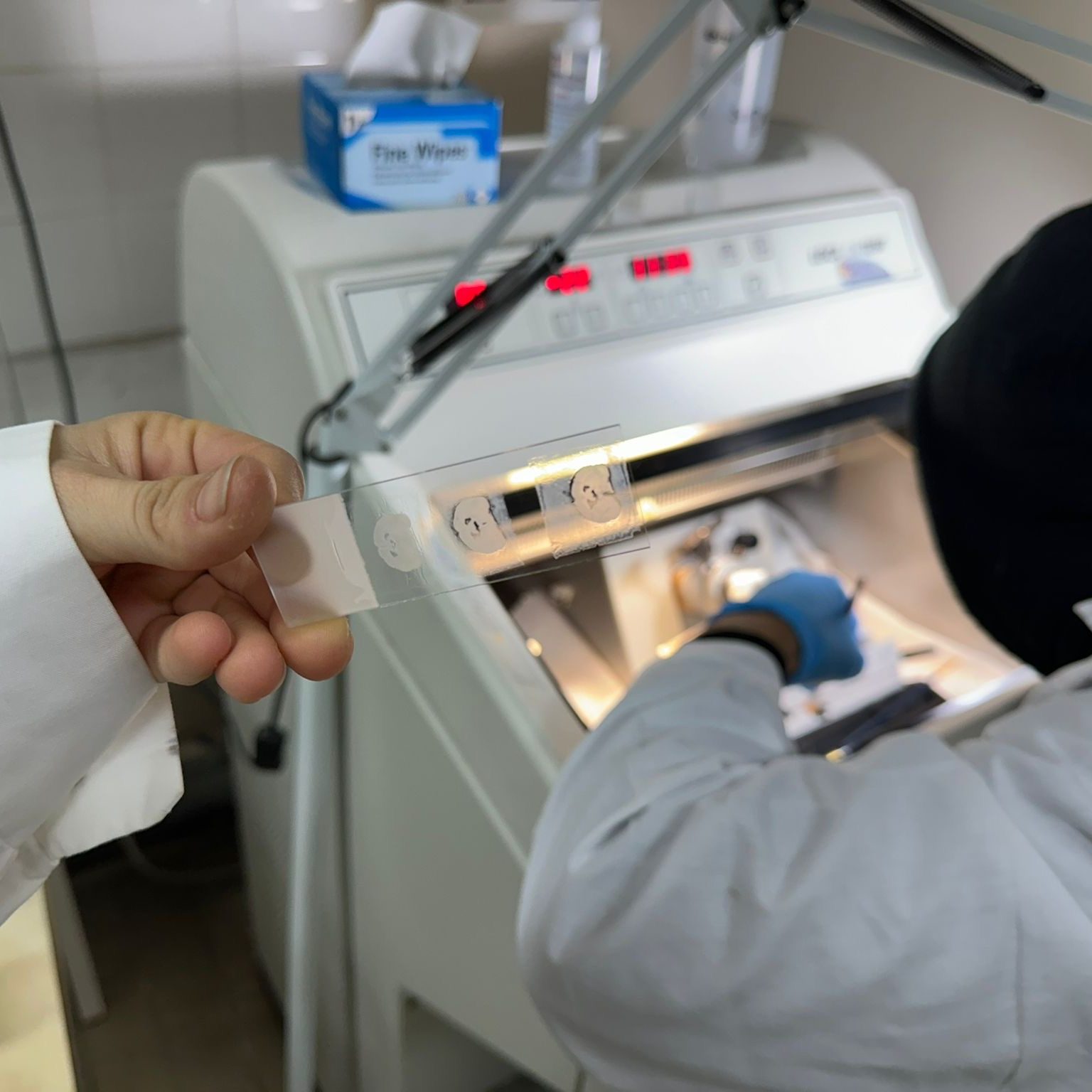
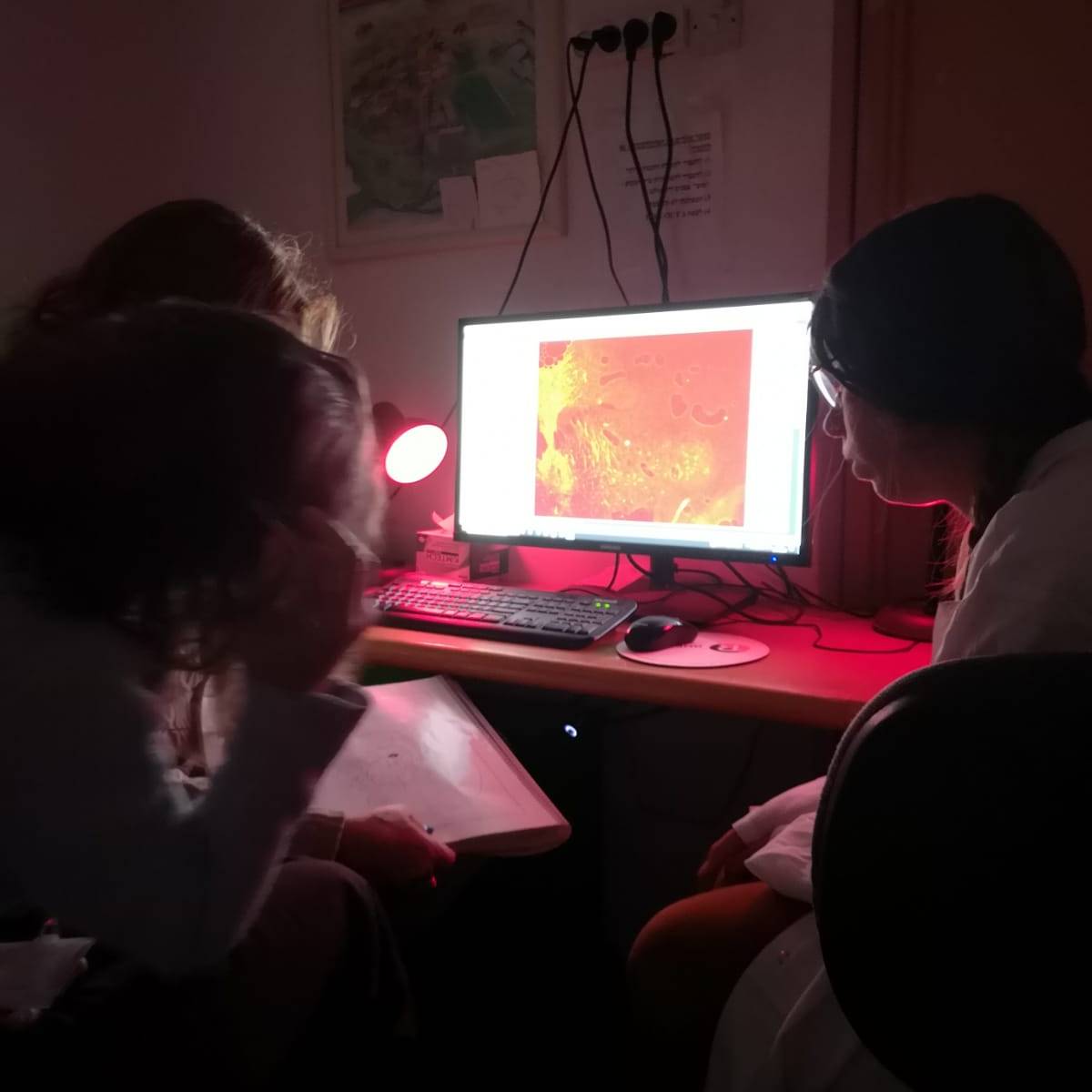
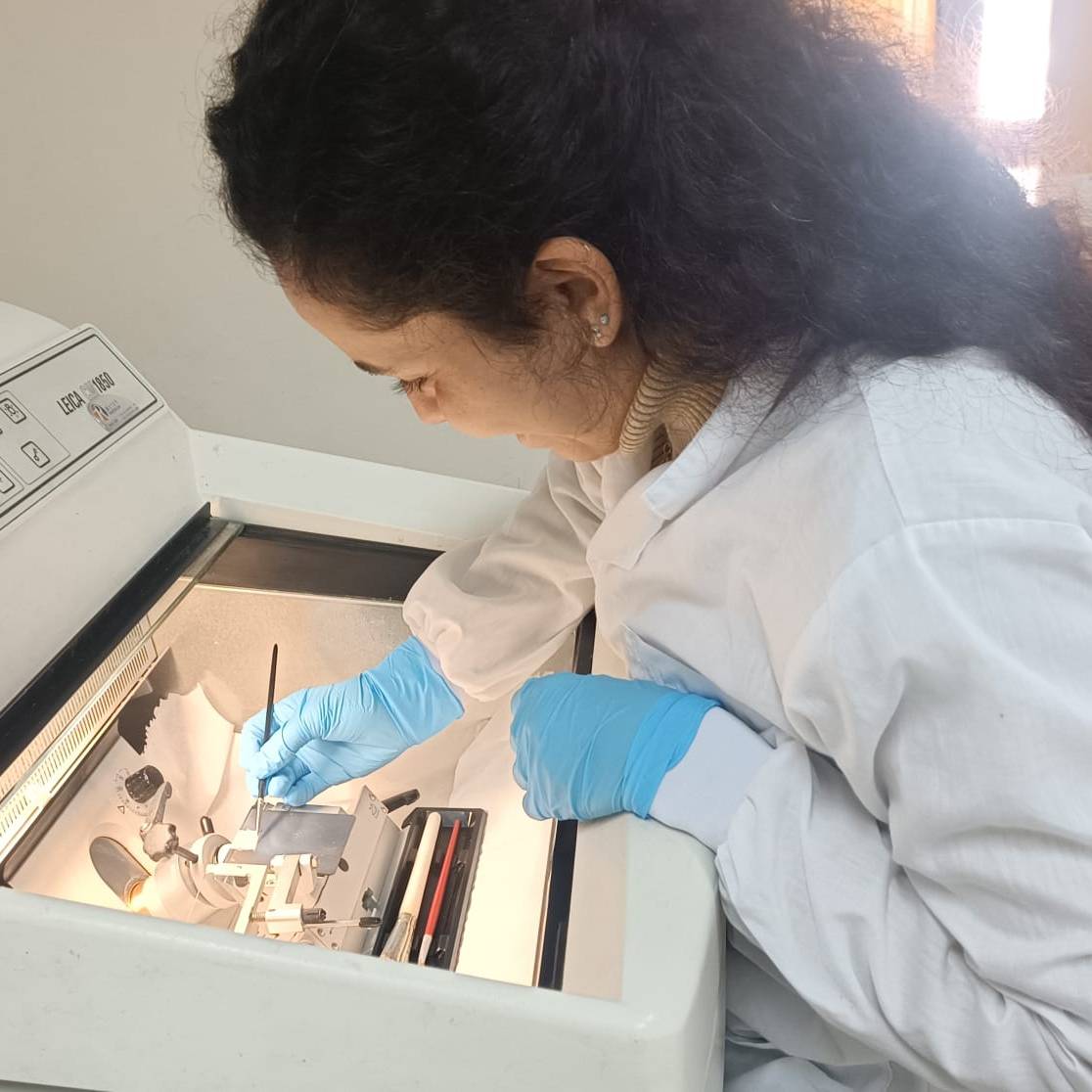
Immunohistochemistry
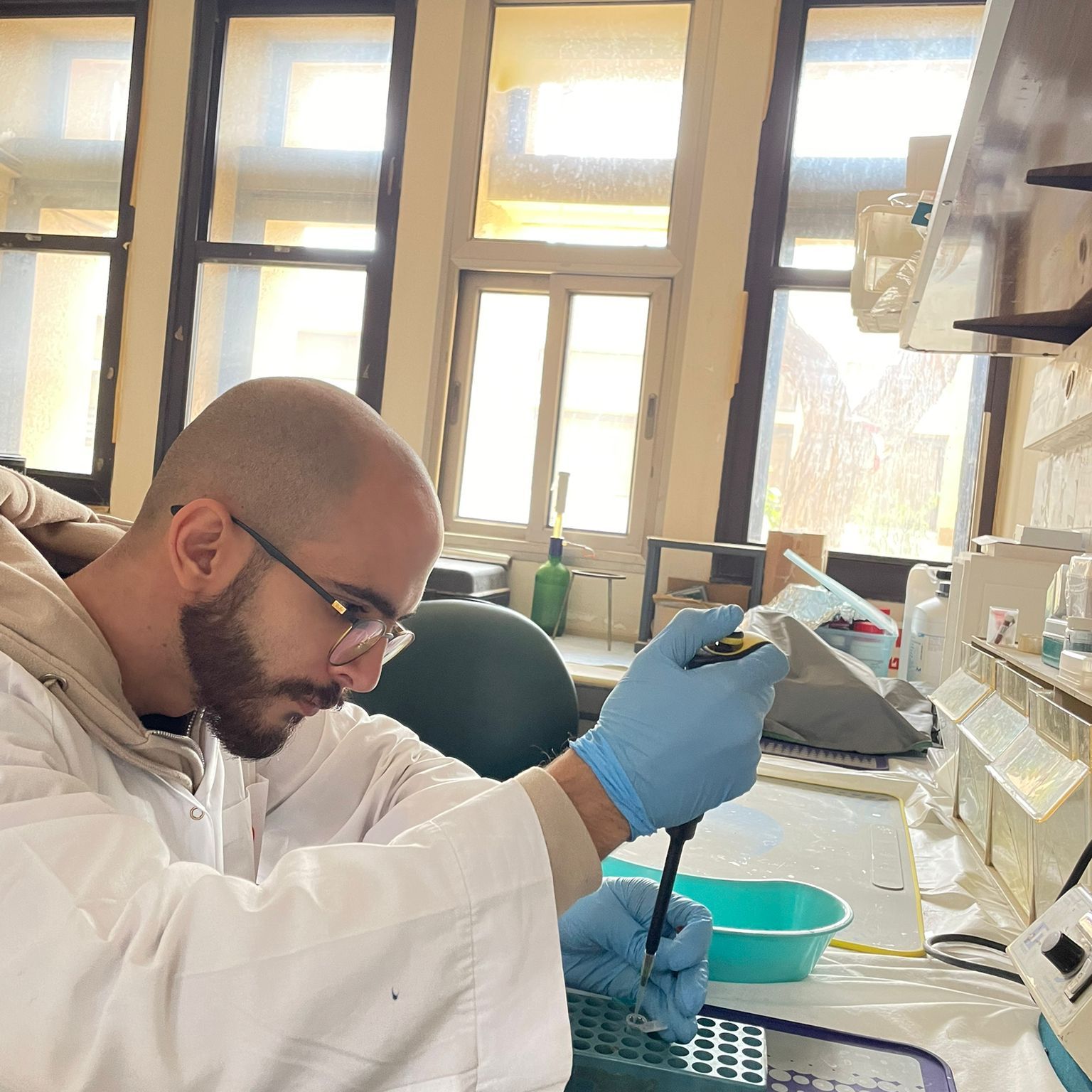

 Hagit Cohen laboratory